What Is Scrapbooking? A Beginner’s Guide to the Craft
ScrapBooking >> Beginner Scrapbooking Basics>> What Is Scrapbooking? A Beginner’s Guide to the Craft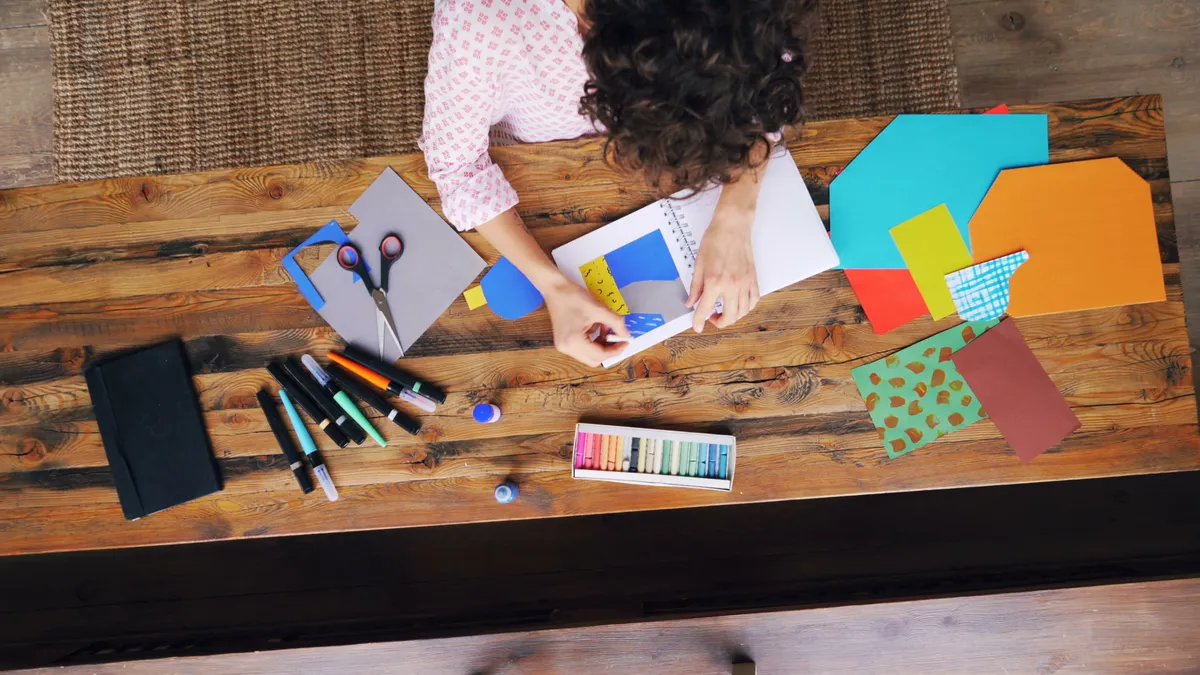
What Is Scrapbooking? A Beginner’s Guide to the Craft
Last updated: October 31, 2026
Key Takeaways
- Scrapbooking keeps memories with paper, photos, and adhesive.
- A page typically centers one photo or group, plus journaling, background paper, and accents.
- The process moves from choosing a memory to finishing a balanced page.
- Beginners can start with a scrapbook, photos, paper, adhesive, scissors, and a pen.
Scrapbooking is a craft for turning photos, paper, and written memories into a scrapbook page or album that tells a story. In What Is Scrapbooking? A Beginner’s Guide to the Craft, the core answer is simple: it is a hands-on way to preserve memories on paper. A finished layout usually combines one or more photos, a short journaling block, decorative elements, and acid-free paper so the keepsake lasts longer.
Scrapbooking in plain English
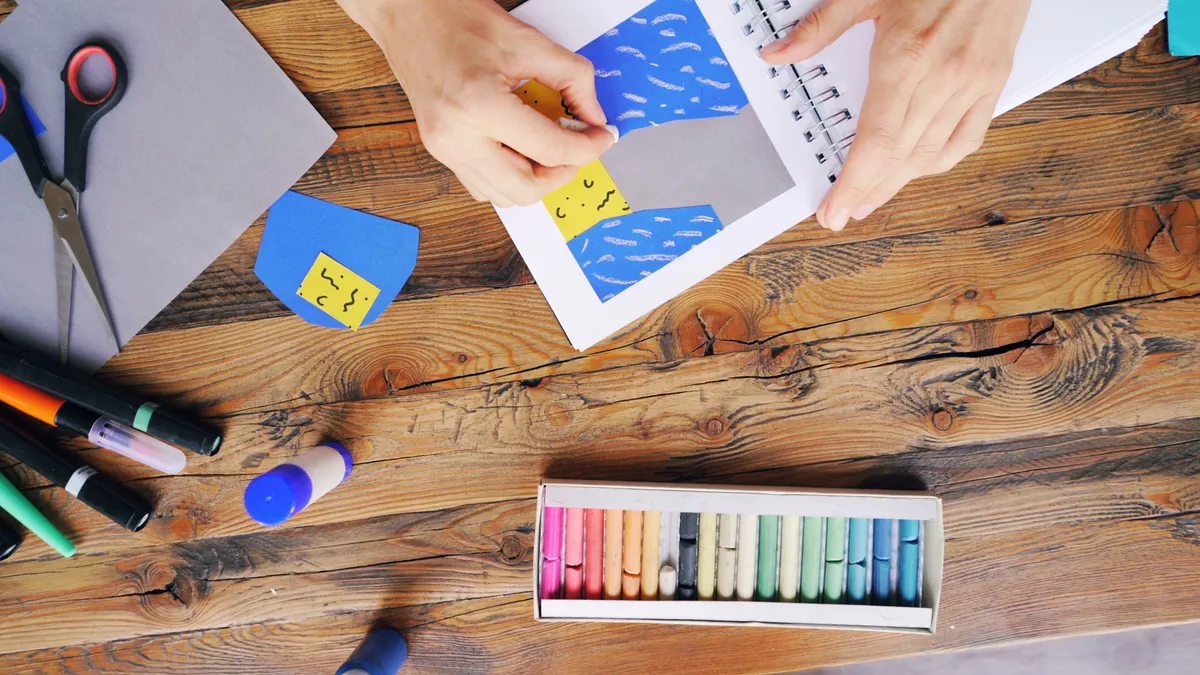
Scrapbooking is memory keeping with scissors, paper, and glue. The point is not just to save a photograph; it is to place that photo in context so the moment means something years later. A birthday picture, a ticket stub, a handwritten note, and a short paragraph can live on the same 12×12-inch page and work together like a small archive.
That is what makes scrapbooking different from tossing pictures in a box or posting them online. A scrapbook page is built with intention. The image is chosen, the paper is matched, the words are edited down, and the decorations are used to support the memory instead of overpowering it. The craft sits somewhere between paper crafting and photo preservation.
A generic explanation often stops at “it’s a hobby with pretty paper.” That misses the practical purpose. Scrapbooking is also a way to organize life events: school years, weddings, trips, holidays, family stories, even ordinary routines that would otherwise disappear. People use it to keep both the visual record and the details that photos forget, such as names, places, dates, and what someone said in the moment.
It is also a very flexible craft. Some scrapbookers build one carefully finished page at a time. Others fill a full scrapbook album over months or years. The structure can be simple: photo, caption, date, and a few embellishments. Or it can be layered with patterned paper, die-cuts, stickers, stamped borders, and handwritten journaling. The craft does not require a fixed style, only a clear memory to preserve.
What does a scrapbook page actually include?
A scrapbook page usually includes a photo, a written note, a background sheet, and embellishments arranged around one focal point. Those parts work together to make the memory readable at a glance.
Here is the basic anatomy of one finished page:
- Background paper: often 12×12 inches in traditional paper crafting, though 8.5×11 inches is also common.
- Photos: one large image or several smaller ones, trimmed to fit the layout.
- Journaling: a caption, story, or list that explains the moment in plain language.
- Embellishments: stickers, brads, die-cuts, ribbon, labels, washi tape, or small paper accents.
- Title: a short phrase or date that anchors the page.
The layout is usually designed around a focal point. A single large photo may sit on one side with text on the other. A cluster of three or four smaller photos may be arranged in a grid. White space matters because it gives the eye room to rest and keeps the page from turning into a crowded collage.
A common mistake is adding decoration before deciding what the memory is about. That leads to pages that look busy but say very little. A better order is to choose the story first, then pick the paper and accents that fit the mood. A page about a quiet day at the beach needs a different look from one about a school play or a 50th birthday dinner.
The finished page does not have to be perfect to be useful. It has to be readable. A good scrapbook page tells the viewer what happened, who was there, and why it mattered. If it can do that in about 30 seconds, the layout is doing its job.
How scrapbooking works step by step
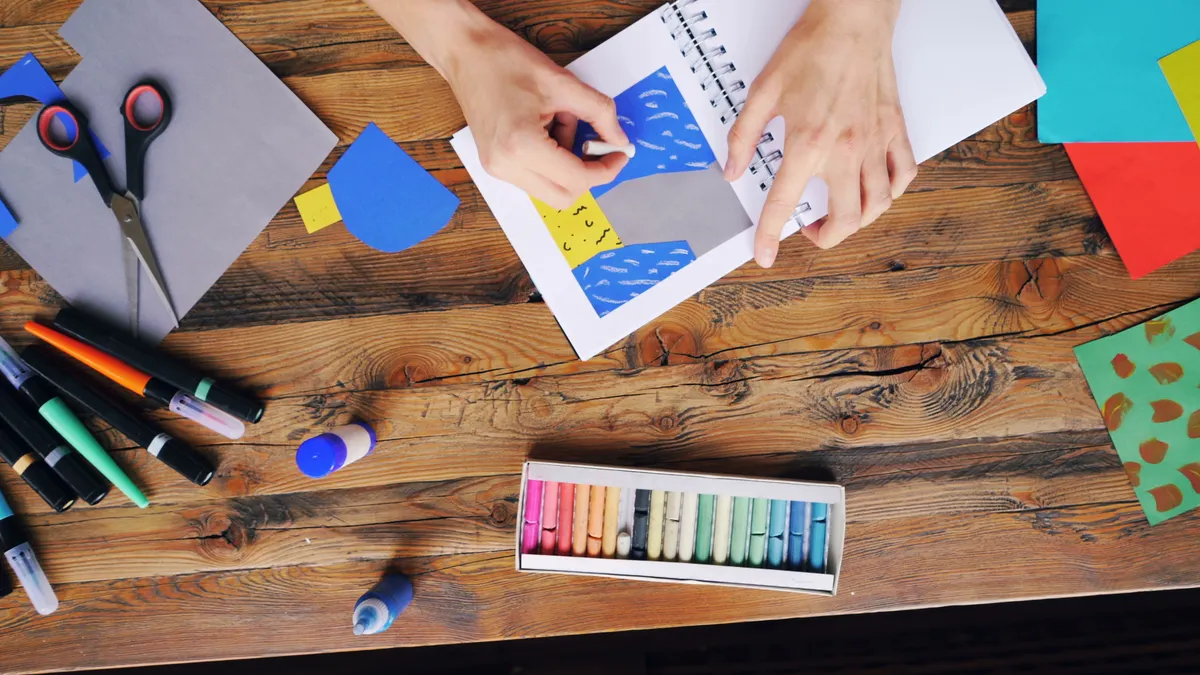
Scrapbooking works by moving from memory to layout to finished page in a few deliberate steps. The process is simple enough for a beginner, but each step matters because it keeps the page balanced and legible.
-
Choose one story and 1 to 5 photos.
Start with a single event, such as a school concert or weekend trip, instead of trying to cover an entire month. A tight focus makes the page easier to design and helps the result feel complete. -
Pick a page size and base paper.
A 12×12-inch format gives the most room for layering, while 8.5×11 inches feels closer to a letter-sized document. Choose one acid-free sheet as the base so the page is better suited for long-term storage. -
Trim and arrange the photos before adding adhesive.
Place the images on the paper first and move them around until the spacing feels right. This step usually takes about 10 to 15 minutes, and a professional can help if a page still looks lopsided. -
Add the title and journaling.
Write a short heading and a note that identifies the people, place, and date. A few sentences are often enough. The result should be readable without a lot of decoding. -
Layer embellishments last.
Add stickers, labels, ribbon, or other accents only after the main story is set. Keep the extras near the photos and title so they support the layout instead of competing with it. -
Check the page for balance and permanence.
Make sure nothing important is hidden and that the adhesive will not damage the paper over time. Acid-free materials matter here because they are designed to reduce discoloration and deterioration in stored paper items.
This order works because it keeps the page anchored in content before style. The visual choices should support the memory, not replace it. A beginner who follows this sequence is less likely to waste materials and more likely to finish a page that feels coherent.
A useful rule of thumb is to think in thirds: one third visual, one third text, one third breathing room. That is not a strict formula, but it stops the common beginner problem of filling every inch. Scrapbooking needs contrast as much as decoration.
What tools and materials do you need to begin?
You need a few basic tools to begin scrapbooking: a scrapbook, photos, paper, adhesive, scissors, and something to write with. A beginner can start with a small set of supplies and still make a complete page.
The essentials are straightforward:
- Scrapbook or album: often a ring-bound or post-bound book that holds page protectors.
- Acid-free paper: used for the base and, ideally, for mats and journaling cards.
- Photos: printed at a size that suits the layout.
- Adhesive: glue dots, double-sided tape, or photo-safe tape.
- Scissors or a paper trimmer: for clean edges and even borders.
- Pen or marker: for journaling.
- Embellishments: optional extras that include stickers, cardstock shapes, and labels.
The acid-free part matters more than beginners sometimes realize. Regular paper and some adhesives can yellow or weaken over time. If the goal is memory keeping, the materials should support preservation, not work against it. Archival or photo-safe products are a better choice for items you want to keep for years.
A beginner does not need a huge supply haul. A small starter set can make several pages if the photos are chosen well. That said, some items are easier to use than others. A paper trimmer gives straighter cuts than scissors. A fine-tip pen makes journaling cleaner than a thick marker. Photo corners can be useful when you want to avoid putting adhesive directly on an image.
This is also where scrapbooking differs from general crafting. The materials are not only decorative; they are functional. The paper must hold up. The adhesive must stay put. The page must let the story breathe. Cheap, non-archival supplies can still look fine on day one, but they are a poor match for anything meant to survive in a scrapbook album for the long term.
Scrapbooking is not the same as memory keeping
Scrapbooking is one form of memory keeping, but memory keeping is broader and can include journals, photo books, memory boxes, and digital archives. Scrapbooking is the paper-based craft version of that larger habit.
That distinction helps because the terms often get mixed together. Memory keeping is the goal: preserving meaningful moments, names, dates, and stories. Scrapbooking is one method for doing it. A person can keep memories without making traditional scrapbook pages, and a person can scrapbook without calling it memory keeping at all.
The overlap is real, though. Both focus on what matters enough to preserve. Both combine images and words. Both rely on selection, which is the hidden skill in the craft. A page or archive becomes more useful when it includes the details that would otherwise be forgotten, such as a school grade, a travel route, or the name of a family member in the photo.
The difference is mostly in format and texture. Scrapbooking uses physical materials: patterned paper, cardstock, journaling strips, and embellishments. Memory keeping can be more flexible. It can live in a notebook, a box of labeled prints, or a printed photo book. A digital album does the same job with a different toolset, but that is a separate process and should not be confused with paper scrapbooking.
This matters for the beginner because the label can shape expectations. Someone looking for a quick way to preserve photos may want memory keeping, not a full craft project. Someone who enjoys hands-on design may want scrapbooking specifically. The craft suits people who like arranging pieces, writing short reflections, and building something physical over time. It is less suitable for anyone who wants a completely no-mess system or a finished result in 5 minutes.
Common scrapbooking mistakes that slow beginners down
The biggest scrapbooking mistakes are overloading the page, using weak materials, and writing too little to explain the memory. Each mistake costs clarity, and in a memory craft, clarity is the whole point.
A few traps show up often:
- Too many elements on one page: The page becomes crowded, and the eye has nowhere to land. Use fewer embellishments and leave more open space.
- No journaling: A page with only photos can be beautiful, but it may lose meaning later. Add names, dates, and one or two lines about what happened.
- Using non-archival materials: Paper and adhesive that are not acid-free may shorten the life of the page. Choose products labeled for photo-safe or archival use.
- Designing before choosing the story: This usually leads to decorative pages that do not say much. Start with the memory, then build around it.
- Cutting photos too aggressively: Cropping can improve composition, but it can also remove important faces or details. Trim with care.
A beginner often thinks the page needs to look “finished” in the way a store display does. That is not the right standard. A better standard is whether the page holds together visually and emotionally. If the photos, journaling, and embellishments all point to the same moment, the page is working.
There is a trade-off here worth saying plainly: scrapbooking can be time-consuming. A single page may take 30 minutes or several hours depending on the complexity. That is part of the appeal for some people and a reason others give up. If the goal is speed above all else, a simpler memory-keeping method may fit better.
The craft is forgiving, though. Mistakes can often be covered with another layer of paper, a label, or a photo mat. The main thing is not to chase perfection at the expense of the memory.
Why scrapbook pages last when they are built carefully
Scrapbook pages last longer when they use acid-free materials, sensible storage, and clear design choices that keep the story readable. Preservation is the quiet goal behind the whole craft.
The materials do most of the work. Acid-free paper and photo-safe adhesives reduce the chance that the page will yellow, stain, or damage the photos over time. That does not guarantee immortality, but it is a much better starting point than random office supplies. If a scrapbook is meant to become a family keepsake, material choice matters as much as design.
Storage matters too. A scrapbook album kept flat, dry, and out of direct sunlight will usually fare better than loose pages stacked in a closet. Page protectors can shield against fingerprints and dust. Labels on the outside of the album help future readers find the right section without handling every sheet.
There is a style side to preservation as well. Pages with too much bulk can strain bindings. Heavy three-dimensional embellishments may look nice but make storage harder. That is one reason many scrapbookers balance texture with practicality. A ribbon or chipboard accent can be useful, but a page covered in thick objects may not fit well into an album sleeve.
This is where the craft shows its real value. Scrapbooking is not only decoration; it is a deliberate way to keep a record that is both visual and personal. A photo in a folder shows what someone looked like. A scrapbook page shows what the moment meant.
For the right person, that difference is the whole point. For the wrong person, it feels slow, fussy, and space-consuming. Scrapbooking is not a universal solution, and it does not need to be. It suits people who enjoy paper crafting, who want a hands-on way to preserve memories, and who are willing to trade convenience for a more personal record.
Scrapbooking gives ordinary moments a place to stay
Scrapbooking gives photos, journaling, and small paper keepsakes a home where they can tell one story together. A scrapbook page is part craft project, part memory record, and part preservation tool.
The craft is at its best when it stays specific. One page should usually focus on one event or one theme. A good layout does not need to be ornate; it needs to be clear, balanced, and built from materials that can last. If the page answers who, what, when, and why it mattered, it has done its job.
What is scrapbooking used for?
Scrapbooking is used to preserve memories in a hands-on, visual form. It can document family life, travel, school years, holidays, and other milestones with photos, journaling, and decorative paper elements. Many people use it to keep details that photos alone do not hold, such as names, dates, and short stories.
Is scrapbooking the same as memory keeping?
No, scrapbooking is one type of memory keeping.
Drafted with AI; not yet reviewed by a person.