How to Protect Scrapbook Pages From Humidity, Sunlight, and Dust
ScrapBooking >> Scrapbook Materials, Preservation, and Archival Care>> How to Protect Scrapbook Pages From Humidity, Sunlight, and Dust
How to Protect Scrapbook Pages From Humidity, Sunlight, and Dust
Last updated: October 31, 2026
Quick Answer: to protect finished scrapbook pages, use sleeves or page protectors, store them in a closed cabinet or acid-free box, and keep them away from direct sun, damp rooms, and dust. If you want a practical starting point for How to Protect Scrapbook Pages From Humidity, Sunlight, and Dust, begin with storage, then light, then moisture, then handling.
Scrapbook page protection means keeping finished pages away from humidity, sunlight, and dust. The fix is not one product alone; it is a storage setup that uses album sleeves, page protectors, acid-free boxes, silica gel packs, and a stable room environment. If the goal is to keep layouts readable and flat for years, start with storage, then control light, then control moisture, then handle them less.
The safest order to protect finished scrapbook pages
A practical order is: sleeve the page, move it into a stable storage spot, block light, then manage humidity and dust. That order matters because a protector cannot undo damage already caused by a sunny shelf or a damp closet. If the page is already finished, this is the part that pays off.
-
Put each completed page into an album sleeve or page protector first.
Use a clear, archival-style sleeve that fits the page size closely, such as 12 x 12 inches for standard scrapbook layouts. The page should slide in without bending corners, and the sheet should lie flat instead of curling. If the protector is working, the surface stays clean and fingerprints stay off the paper. -
Move the album into a closed storage spot, not an open shelf.
A closed cabinet, drawer, or acid-free box is better than a display shelf because it cuts dust and blocks stray light. If the page is stored inside an acid-free box, the paper should not smell musty or feel tacky after a few weeks. This is the simplest way to protect finished work when it is not being viewed. -
Keep the storage area out of direct sun and strong room light.
Put the album away from windows, skylights, and lamps that run for long periods. A page stored in the dark will keep its color longer than one left under daily light exposure. If the placement is right, the covers stay cooler in the afternoon and the edges are less likely to yellow as quickly. -
Add silica gel packs if the room runs damp.
Place a few silica gel packs in the box or cabinet, but do not let them touch the page itself. They help buffer moisture swings, which matter in basements, laundry rooms, and coastal homes. When this step is doing its job, the stored pages stay flat and the sleeves do not fog or cling. -
Check the storage environment every month.
Look for condensation, a stale smell, curled corners, or dust collecting on the outside of the box. If you see any of those, move the pages before the damage spreads. A stable room is one where the pages look unchanged month after month. -
Handle the pages by the sleeve or edges only when you reopen the album.
Clean hands are better than bare, greasy fingers, and cotton gloves are optional rather than mandatory for most home use. The point is not ceremony; it is preventing skin oils, pressure marks, and new dust from getting onto the paper.
For a broader preservation plan, this fits inside the larger scrapbook preservation approach, but this page stays focused on finished-page protection.
How do humidity and dust damage scrapbook pages?
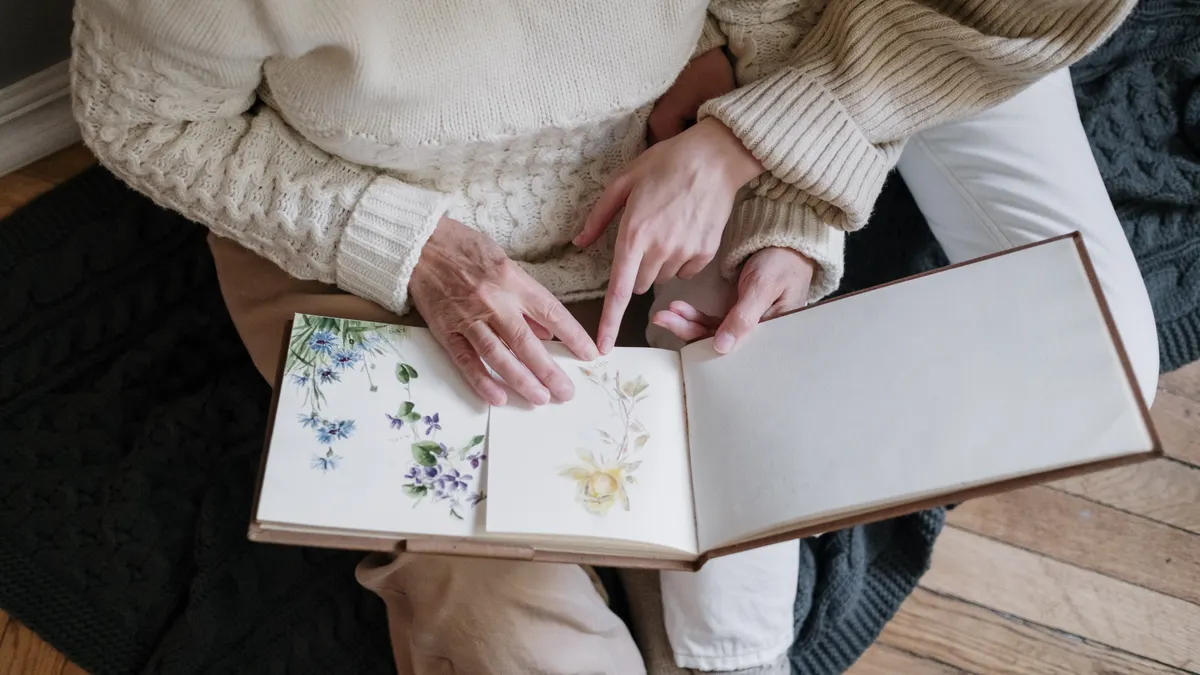
Humidity warps scrapbook pages, and dust grinds into them. Moist air can soften paper fibers, make adhesives less stable, and encourage mold if conditions stay damp long enough. Dust is less dramatic, but it settles into corners, sleeve seams, and textured embellishments, where it dulls colors and makes cleaning risky.
The easiest warning sign is a page that starts to wave at the edges or feel less crisp than it used to. In a room that stays too damp, an album may also develop a slight odor, and the sleeves can cling together. That is the point to change storage, not the point to wait for visible spots. A page kept in a sealed protective sleeve inside an acid-free box does better than one left open on a bookshelf.
This is where many people make the wrong trade-off. They choose a pretty display spot and accept a little dust, then ignore the slow damage that comes from moisture. That works for a week or two. It does not work for a finished scrapbook that should survive years. If the room regularly feels heavy, like a basement after rain, move the pages. A dehumidifier can help the room, but it is not a substitute for sleeves and closed storage.
Silica gel packs are useful only as a support tool. They are not magic and they do not fix a soaked room. Use them in enclosed storage, then replace or recharge them according to the pack instructions. If a box still smells damp after a day or two, the room itself needs attention.
How should i store completed scrapbook pages?
Store completed scrapbook pages flat, sleeved, closed, and away from light. That is the short answer, and it is the setup that gives the page a better chance of staying clean and unbent.
A flat position matters because pressure on one edge can create a permanent curve, especially if thick embellishments or raised lettering are involved. If the pages sit upright in a crowded shelf, the weight of the stack can leave a visible lean. A horizontal file box or a standard album stored on a shelf with enough support is better.
Use album sleeves or page protectors for every finished layout, then place the album in an acid-free box if you do not want it exposed on a shelf. The box is especially useful for pages with photos, metallic accents, or delicate paper flowers because it keeps dust off and reduces accidental rubbing. If the box is labeled and easy to reach, you are more likely to store the pages properly instead of leaving them out “just for now.”
Avoid attics and garages. They swing too much in temperature and humidity, which is rough on paper and adhesives. A closet in a finished room is usually better than any space that gets hot in summer or damp after a storm. If the storage area is near a window, move it; even filtered daylight will fade paper over time.
A good storage setup should feel boring. No dust on the box, no damp smell, no curled sleeves, no bright light. If you can open it after a month and see the same condition you left, the storage is doing its job.
How to protect scrapbook pages from sunlight without hiding them forever
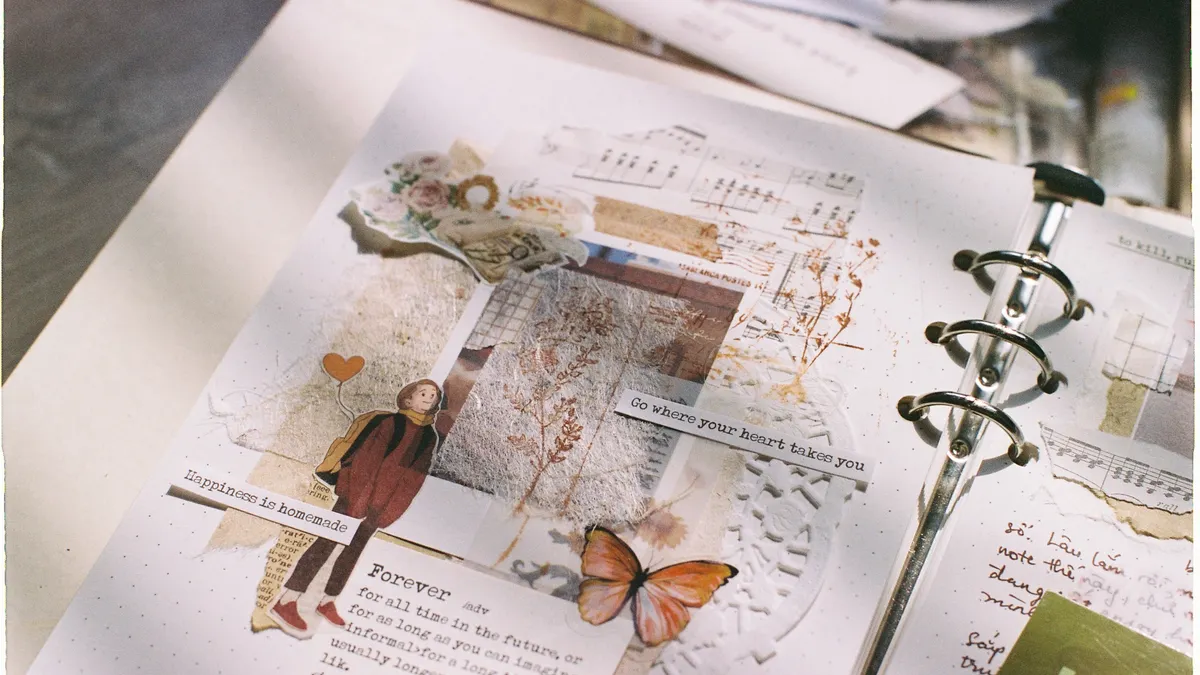
The best way to protect scrapbook pages from sunlight is to limit display time and rotate what is out. Direct sun and strong indoor light can fade inks, paper dyes, and some embellishments, so the safest display is short-term and indirect.
If a page must be displayed, keep it out of direct sun from the start. A wall opposite a window is safer than a windowsill or a sunlit mantel. UV-filtering glass or acrylic can help with framed pages, but it is not a free pass to leave the page in bright light all day. The light source still matters, and the safer pages are the ones that are not exposed constantly.
This is one place where the honest limitation matters: a beautiful display and long-term color protection fight each other. You can have both only if the display is temporary or the room is dim. If the room gets bright for several hours a day, the page should go back into a sleeve or box. That is the trade-off, and there is no clever product that removes it.
A practical rotation schedule helps. Leave a page out for a few weeks or a season, then store it and display another one. If the page is precious, keep the original protected and display a scan or a duplicate instead. The original stays safer, and the visible copy takes the light damage instead.
What common mistakes shorten the life of a scrapbook page?
The biggest mistake is storing a page where it is easy to see instead of where it is safe. That costs color, flatness, and clean surfaces. A sunny wall, an open shelf, or a damp basement may look fine at first and still ruin the page slowly. The better choice is closed storage in a stable room.
Another mistake is trusting a sleeve but ignoring the room around it. A page protector helps with dust and handling, but it does not stop heat from a window or moisture from a wet closet. If the storage spot is wrong, the sleeve only delays the problem. Move the storage first, then worry about the accessory.
A third mistake is overhandling. Every time a page is pulled out for a look, it picks up skin oils, dust, and the risk of bending. That cost is small once, then larger after the fifteenth time. If the page is a favorite, choose one display copy or keep a digital image handy so the original does not need constant touching.
People also overfill boxes. If the lid bows or the contents compress, raised decorations get crushed and paper edges mark each other. Leave enough room that a page can lie flat without being squeezed. A box that closes easily is safer than one that needs force.
Finally, people forget to check for pests and smell. Dust is visible; mold often starts with odor. If a storage area smells stale, move the pages and inspect them before putting them back.
Which storage setup works best in a normal home?
A closed cabinet with album sleeves and an acid-free box works best in a normal home. It is simple, low-maintenance, and better than trying to make every room display-ready.
For most homes, this is the sweet spot: finished pages stay in sleeves, the album stays inside a box or cabinet, and silica gel packs sit nearby if the air is damp. That setup protects against the everyday threats without requiring specialty equipment. It is also easier to maintain than a framed display, which often needs UV protection and careful room placement.
This setup is not ideal for someone who wants the scrapbook visible every day. If the goal is a permanent display, the pages will face more light and more handling, and the risk rises. It is also not a good choice for an unconditioned attic, garage, or shed. Those spaces fail because they change too much through the year.
If the room is already stable and dry, a shelf inside a closed cabinet may be enough. If the room is slightly damp, add silica gel packs and check them regularly. If the room has direct sun, move the storage before anything else. In other words, the best system is the one that matches the room you actually have, not the room you wish you had.
What should I check every season?
Check the sleeves, the storage room, and the pages themselves every season. That monthly or quarterly habit catches trouble early, before it becomes permanent damage.
Start with the room. Look for sunlight shift, condensation, or a new damp smell after weather changes. A room that is fine in winter may be much worse in summer. Then inspect the pages through the sleeves. You are looking for waviness, yellowing, dust buildup, fogged plastic, or corners that no longer sit flat. If you find any of those, change the storage spot first and clean only what is safe to clean.
Check silica gel packs at the same time. If they are saturated or no longer useful, replace or recharge them according to the package directions. Also verify that the acid-free box still closes properly and has not picked up odor or moisture. A box that no longer seals well is not doing the work it used to do.
The value of a seasonal check is not dramatic. It is boring, and that is the point. A scrapbook page stays good because somebody notices the problem while it is small.
Key takeaways
- Keep finished scrapbook pages in sleeves or protectors before anything else.
- Use closed storage, such as an acid-free box or cabinet, to reduce dust and light.
- Keep pages out of direct sun and away from rooms that run damp.
- Silica gel packs help in enclosed storage, but they do not replace good room conditions.
- Handle the page as little as possible, and inspect it on a schedule instead of waiting for damage.
do scrapbook pages fade in sunlight?
Yes, scrapbook pages can fade in sunlight, and bright indoor light can also cause gradual color loss. Direct sun is the fastest problem, but long daily exposure still adds up. The safer approach is to keep finished pages stored away from windows and rotate any display so the same page is not lit all the time.
how should i store completed scrapbook pages?
Store completed scrapbook pages flat in album sleeves or page protectors, then place the album in a closed, acid-free box or cabinet. Keep the storage spot cool, dry, and out of direct light. Avoid attics, garages, and damp basements, because those spaces are hard on paper and adhesives.
what is the best environment for scrapbook albums?
The best environment for scrapbook albums is a stable indoor room with low humidity, limited light, and little dust. A closet or cabinet in a finished room is usually better than a bright shelf or a damp utility space. If the room feels moist, add silica gel packs and keep the album closed.
Drafted with AI; not yet reviewed by a person.